April 13, 2026
Key Takeaways
- Proactive Defense: Regular maintenance before the clouds gather can prevent thousands of dollars in emergency repairs.
- Water Management: Ensuring gutters, downspouts, and sump pumps are functional is the best way to prevent basement flooding.
- Structural Integrity: Small gaps in windows or loose shingles are the primary entry points for wind and water during high-velocity storms.
The transition of seasons often brings more than just a temperature change; for many homeowners, it signals the arrival of unpredictable weather. Whether you are facing the heavy “April showers” of the Midwest or the high-wind gusts of a coastal hurricane season, the difference between a minor inconvenience and a catastrophic insurance claim often comes down to one thing: preparation.
In Michigan and across the country, high wind events and torrential rains are becoming more frequent. While we cannot control the path of a storm, we can fortify our homes to withstand the pressure. By tackling this five-point checklist now, you ensure that your home remains the sanctuary it was meant to be when the weather turns.
1. The Roof: Your First Line of Defense
The roof is the most vulnerable part of your home during a storm. High winds create pressure differentials that can lift loose shingles, while heavy rain will find even the smallest path of least resistance.
Start with a ground-level inspection using binoculars. Look for curled, cracked, or missing shingles. These are clear signs of wear that will fail under stress. Pay special attention to the flashing metal strips around chimneys, vents, and skylights. If the sealant is cracked or the metal is pulling away, water will seep directly into your attic and walls.
Inside the house, check your attic for light peeking through the roof boards or water stains on the rafters. These “hidden” leaks are the primary cause of mold growth and structural rot following a storm.
2. Gutters and Downspouts: Managing the Deluge
A standard roof can shed thousands of gallons of water during a single heavy downpour. If your drainage system is compromised, that water has nowhere to go but up under your shingles or down into your foundation.
- Clear the Debris: Remove leaves, twigs, and the “granule sludge” that sheds from asphalt shingles. A clogged gutter causes water to back up, leading to ice dams in winter or rotted fascia boards in summer.
- Check the Pitch: Ensure your gutters are still sloped toward the downspouts. Standing water in a gutter is a sign of a sagging bracket.
- Extend the Discharge: Ensure your downspouts discharge water at least six feet away from the foundation. Using splash blocks or flexible extensions prevents water from pooling against your basement walls, which is the leading cause of foundation cracks.
3. Sump Pump Testing: Avoiding the Indoor Pool
If your home has a basement or crawlspace, the sump pump is your last line of internal defense against rising water tables. However, because they often sit idle for months, mechanical failure is common.
The Bucket Test: Slowly pour five gallons of water into the sump pit. The float switch should rise, triggering the pump to discharge the water. Listen for unusual grinding noises, which can indicate a failing motor.
Perhaps most importantly, consider a battery backup system. Most severe storms cause power outages. Without electricity, a standard sump pump is useless exactly when you need it most. A battery-powered secondary pump can provide up to 24 hours of protection even when the grid goes dark.
4. Windows and Doors: Sealing the Envelope
High winds don’t just blow against your home; they create “wind-borne debris” and pressure shifts that can shatter glass or blow doors off their hinges.
- The Daylight Test: On a bright day, stand inside and look at the edges of your exterior doors. If you can see light through the seals, your weatherstripping has failed. This allows wind-driven rain to enter and increases the risk of the door being forced open by wind pressure.
- Caulk and Seal: Inspect the perimeter of your window frames. Use a high-quality, exterior-grade silicone caulk to fill any cracks where the frame meets the siding.
- Garage Door Reinforcement: The garage door is often the largest opening in your home. Ensure the tracks are tight and the door is balanced. In high-wind areas, consider a vertical reinforcement bar to prevent the door from buckling.
5. Landscaping and Projectile Control
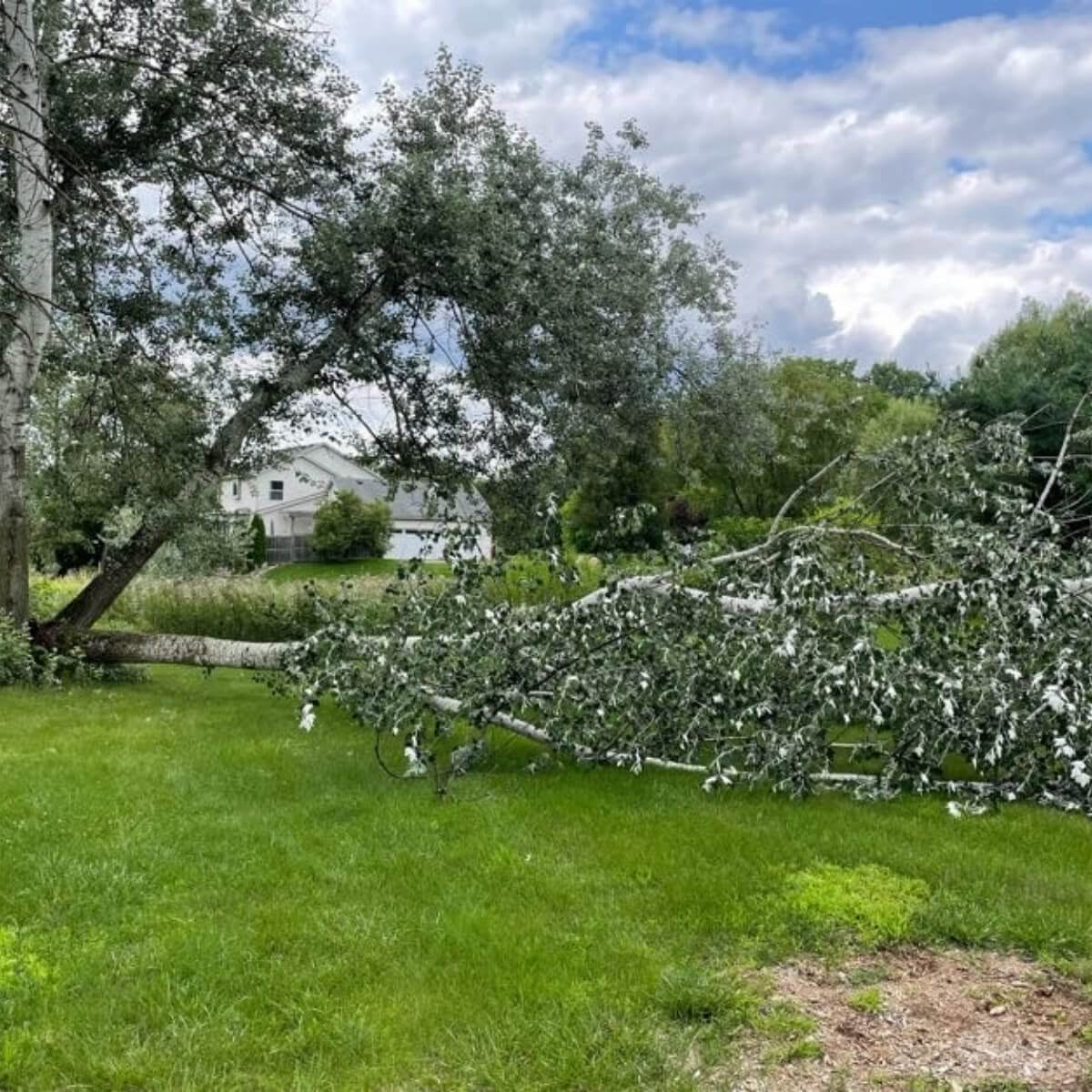
Your yard is full of potential “missiles.” During a 60-mph gust, a heavy patio chair or a dead tree limb can easily penetrate a window or damage your siding.
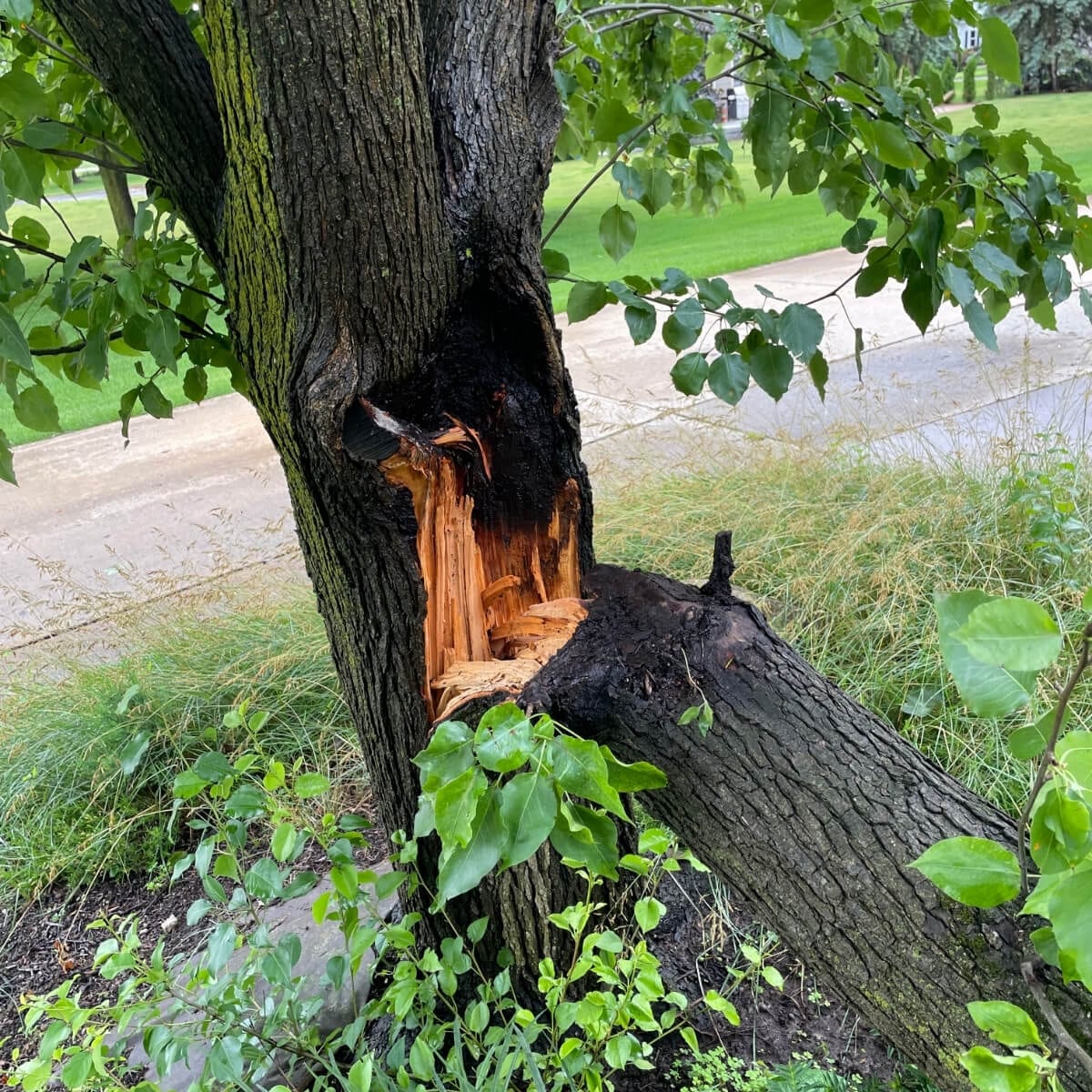
- Hazardous Tree Removal: Look for “Zombie Trees” standing dead trees or those with significant “crown dieback.” These are brittle and can shatter during high winds. (See our previous guide on identifying Ash Borer damage for more details.
- Secure Exterior Furniture: Identify a place in your garage or shed where you can quickly move grills, potted plants, and deck furniture. If items are too heavy to move, ensure they are anchored with tie-down straps or heavy-duty stakes.
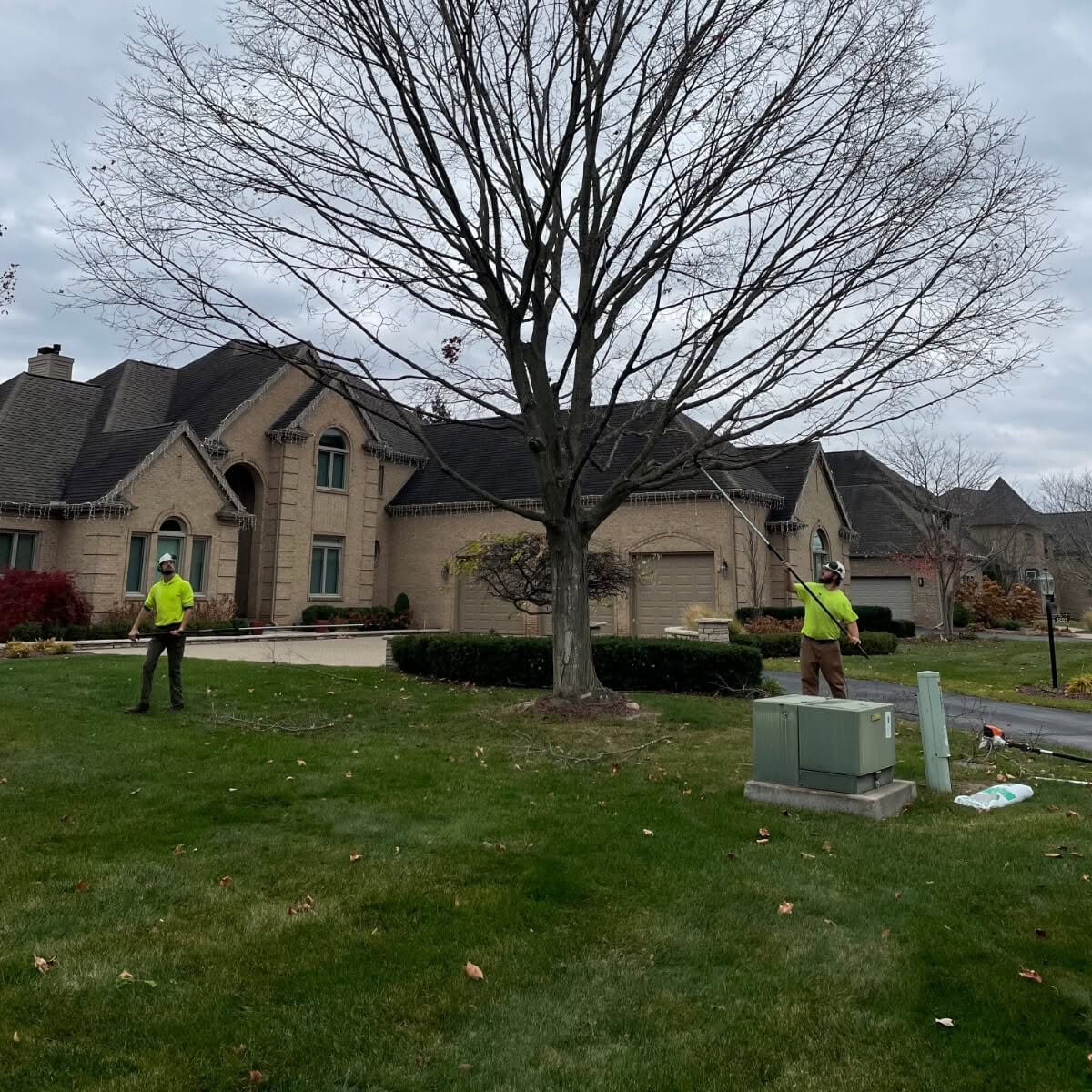
If your pre-storm inspection reveals hazardous limbs or dead trees, don’t risk a DIY disaster. Highland Tree Services is Ann Arbor’s trusted, family-owned expert for professional tree removal, precision trimming, and 24/7 emergency storm response. With over 30 years of combined experience and ISA/TCIA memberships, they provide safe, reliable care and a spotless cleanup.
Call Highland Tree Services today at (734) 999-3880 for a free quote, and be sure to ask about their special discounts for Veterans and Seniors!
Frequently Asked Questions
How often should I perform a pre-storm inspection?
It’s best to do a full pre-storm inspection twice a year, once in early spring and again in late fall, right before storm season kicks in. However, it’s also smart to check your roof, gutters, sump pump, windows, and yard whenever heavy storms or severe weather are forecasted.
What are the top causes of storm damage to homes?
The most common causes are loose roof shingles, clogged gutters, failing sump pumps, and weak trees. These small issues can lead to significant damage during a storm, such as leaks, flooding, or fallen branches, causing structural damage.
Why is it important to check my roof before storm season?
Your roof is your first defense against storm damage. Loose or damaged shingles, cracked flashing, and any hidden leaks can lead to major problems like water damage and mold. A quick inspection before storm season helps you catch any issues early, preventing costly repairs later.
Should I inspect my windows and doors before storm season?
Yes. Check for gaps, cracks, or worn weatherstripping around your windows and doors. Sealing these gaps prevents wind-driven rain from entering your home. Also, ensure your garage door is securely fastened and reinforced to handle high winds.
How can I prepare my trees for storm season?
Inspect trees for dead branches, cracks, or leaning trunks. Overhanging limbs and unhealthy trees are prime candidates for falling during high winds. Have a professional arborist prune trees or remove any hazardous ones to prevent property damage during storms.
How does landscaping affect storm preparedness?
Proper landscaping can protect your home from storm damage. Trim back overgrown branches, remove dead trees, and secure any loose shrubs or plants. Strong winds can easily knock over these items, which could damage your house, windows, or fencing.
What should I do if I find a major issue during my inspection?
If you find significant issues like a damaged roof, malfunctioning sump pump, or weak trees, call a professional immediately to get them repaired or removed before the storm season hits. Taking care of these problems early can save you from emergency repairs later.
Reviewed by a Certified Arborist
This safety analysis has been reviewed by an ISA Certified Arborist to ensure all information regarding soil mechanics and tree failure meets the standards of the International Society of Arboriculture.
Sources & Credible References:
- Federal Emergency Management Agency (FEMA) – Homeowner’s Guide to Retrofitting
- National Oceanic and Atmospheric Administration (NOAA) – Severe Weather Preparedness
- Insurance Institute for Business & Home Safety (IBHS) – Fortified Home Standards
- International Association of Certified Home Inspectors (InterNACHI) – Roof Inspection Guide
- American Red Cross – Survival Kit Essentials
- National Fire Protection Association (NFPA) – Generator Safety Tips
- University of Michigan Extension – Landscaping for Wind Protection
- Department of Energy – Weatherstripping and Caulking Guide