
May 15, 2026
When disaster strikes, especially in the form of a storm, homeowners face the daunting task of cleaning up and repairing their property. One of the most common and costly forms of damage is tree-related damage. Trees can fall on roofs, fences, vehicles, or power lines, leading to expensive repairs. Fortunately, most homeowners’ insurance policies cover tree damage, but filing a successful insurance claim involves a thorough and organized documentation process.
In this article, we’ll explore the proper protocol for documenting emergency tree claims, ensuring you’re well-prepared to navigate the insurance process and minimize the financial impact of tree damage.
Why Documentation Matters
Insurance companies require proper documentation to verify the extent of damage, assess the costs involved, and determine the payout amount. If you fail to provide adequate evidence, your claim could be delayed, denied, or not fully reimbursed. By documenting tree damage accurately and professionally, you help streamline the claims process and ensure you’re getting the compensation you’re entitled to.
Proper documentation also protects you from potential disputes with your insurance provider. Whether the tree damage was caused by a storm, high winds, or another unforeseen event, having clear records will help establish your case.
Step-by-Step Guide to Documenting Emergency Tree Claims
-
Ensure Safety First
Before you start documenting the damage, your top priority should always be safety. Storm-damaged trees may still pose a hazard, with limbs at risk of falling or power lines potentially being downed. If you are unsure about the safety of your property, it’s best to wait for a professional to assess the situation.
Contact local authorities or emergency services if there is immediate danger (e.g., trees blocking access, power lines down). You should never attempt to remove a fallen tree or branches near power lines or structures without professional help. Once the immediate dangers are under control, move on to documenting the damage.
-
Take Clear Photos and Videos
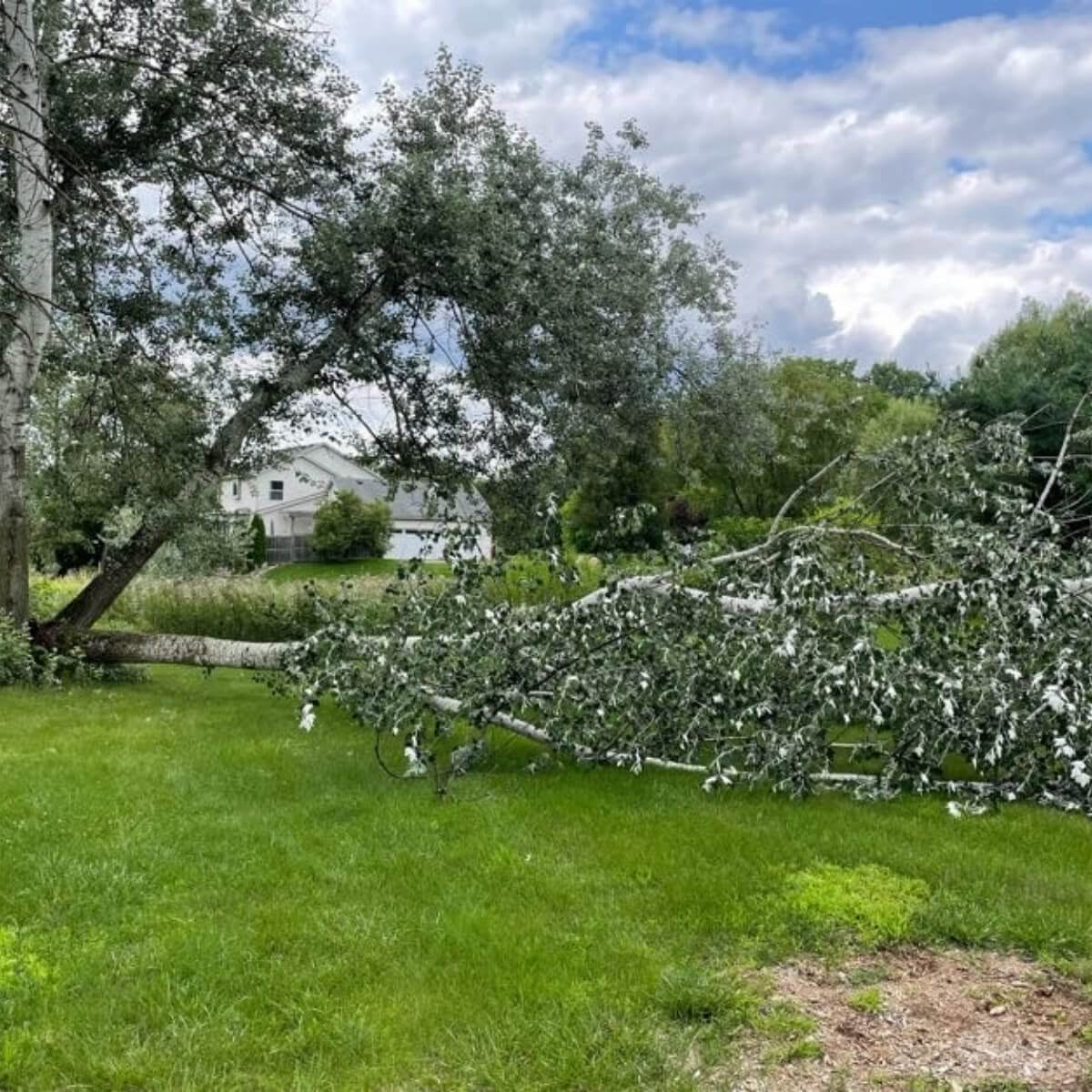
Visual documentation is crucial for your claim. Start by taking clear, wide-angle photos of the tree and the surrounding area, focusing on the overall damage. Don’t just capture the fallen tree – take pictures of any damage caused by the tree, such as broken windows, damaged roofs, or vehicles.
Photo Checklist:
- Wide-angle shots of the overall damage.
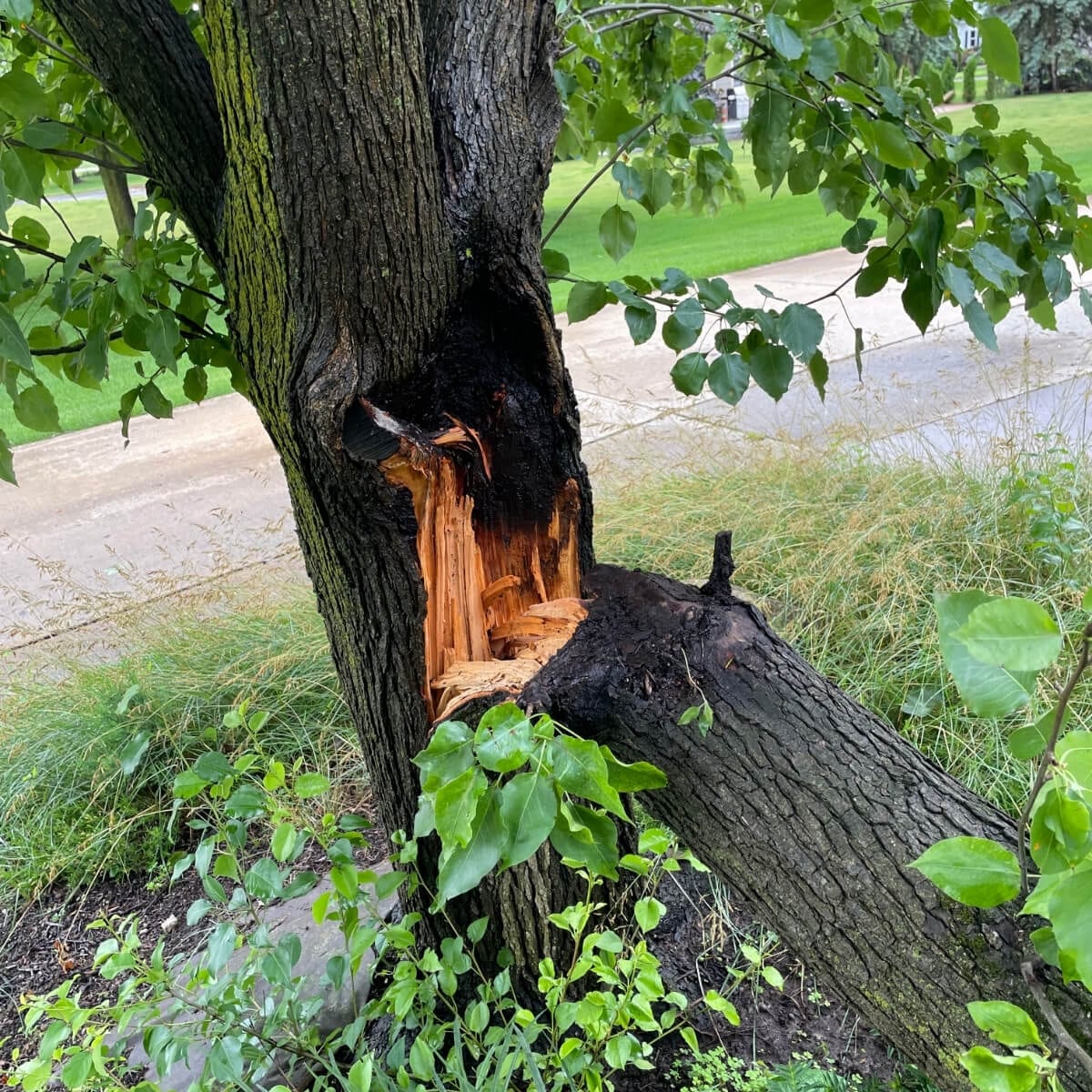
- Close-ups of tree trunks, branches, and any signs of weakness (e.g., rot, cracks, broken limbs).
- Damage to structures like roofs, fences, or windows.
- Power line damage (if applicable).
- Neighboring properties, if your tree has caused damage to their property.
It’s also a good idea to take a video for more context. Video documentation can show the scale of the damage and provide a clearer understanding of the destruction.
-
Document the Date and Time of the Incident
The date and time of the event will be important for your insurance claim, as insurance providers typically require a timeline of the incident. You should keep a detailed log of when the storm occurred, when you discovered the damage, and when you began the cleanup process. If the damage occurred due to a storm, your insurance provider may want to cross-reference the date of the incident with weather reports.
-
Record the Tree’s Condition Before the Incident
A critical aspect of the documentation process is to demonstrate whether the tree was healthy before the storm or if it was already in a weakened state. If you have any records of tree care, such as pruning, maintenance, or professional inspections, now is the time to gather them.
Key Information to Record:
- Age of the tree
- Previous maintenance or inspection reports
- Signs of decay or disease (e.g., leaning, broken branches, fungus)
- Photos of the tree before the incident (if available)
If you hired a professional arborist to assess your tree health before the storm, providing their report can further strengthen your claim.
-
List All Damaged Property
Besides documenting the tree itself, you should also list all items that were damaged by the tree. This includes homes, vehicles, fences, or landscaping. Take photos of the damaged items and keep track of repair estimates and receipts for future reference.
When submitting your claim, ensure that you provide a detailed list of damaged items, along with the cost of repairs or replacements. Having these records will help your insurance provider determine the payout amount more accurately.
-
Get Multiple Repair Estimates
In many cases, the insurance company will want to verify repair costs before approving a claim. If significant damage has been caused to your property, obtaining multiple estimates from licensed contractors or repair companies will help validate your claim.
Make sure the estimates are itemized and include detailed descriptions of the work to be done, as well as the costs involved. Submit these estimates alongside your photos, videos, and expert assessments.
-
Notify Your Insurance Company Promptly
Once you have all the necessary documentation, notify your insurance company immediately. Most policies require you to report the damage as soon as possible to ensure that you don’t miss any deadlines. Be prepared to provide all the evidence you’ve gathered, and follow up regularly to ensure your claim is processed efficiently.
Most insurance companies will send an adjuster to assess the damage in person. Be sure to communicate the situation clearly and provide all documentation they may need for their review.
-
Keep a Record of All Communications
Throughout the claims process, keep a detailed record of all communications with your insurance company, arborist, and any contractors involved in the repair process. This includes emails, phone calls, and letters. Having a complete record will help avoid misunderstandings and ensure that everything is documented for future reference.
-
Contact a Professional Arborist for an Assessment
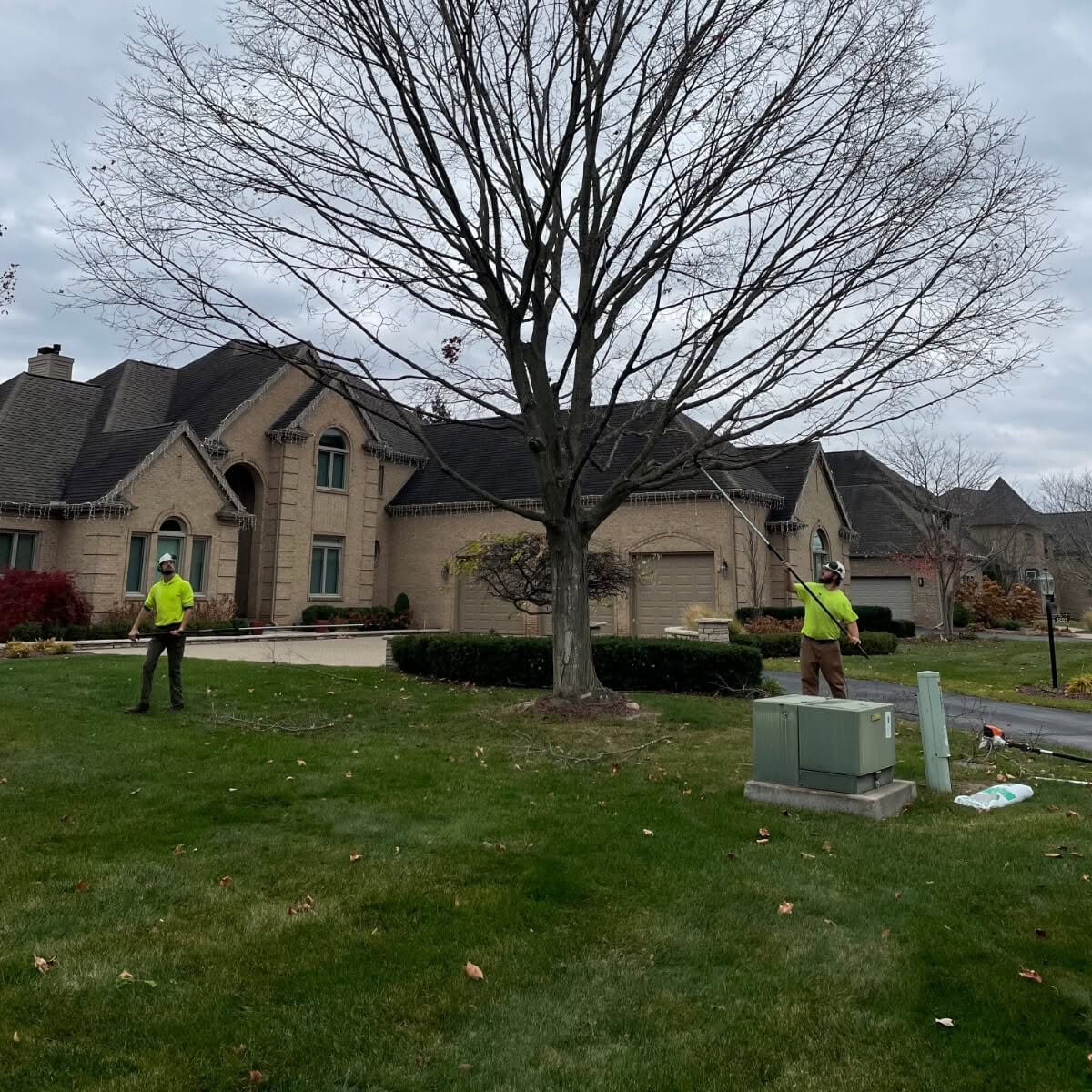
An arborist’s assessment can be crucial in proving that the tree was either healthy or already compromised before the storm. Many insurance providers will ask for an expert evaluation of the tree to determine its condition and whether it could have been prevented from falling. A certified arborist can identify signs of rot, disease, or other weaknesses that may have contributed to the tree falling.
Highland Tree Services, a leading tree service provider in Ann Arbor, MI, offers expert tree removal, tree pruning/trimming, shrub removal/trimming, stump removal/grinding, land clearing, tree/bush planting, 24/7 emergency tree service, storm damage cleanup, and fallen tree cleanup. We perform a thorough site assessment to evaluate your property to identify and address hidden risks, such as partially broken branches or leaning trees, which can be crucial for supporting your insurance claim. Our team can assess the tree’s health before and after the incident and provide you with an official report to submit with your claim.
Frequently Asked Questions (FAQs)
-
How do I know if my tree damage is covered by insurance?
Most homeowners’ insurance policies cover tree damage caused by storms, falling branches, or other unexpected events. However, if the tree was already unhealthy and neglected, coverage may not apply. Review your policy or speak to your insurance provider to clarify the details.
-
Can I remove the fallen tree myself before contacting my insurance?
It’s best to avoid removing the tree until your insurance adjuster has had a chance to assess the damage. If you need to remove the tree for safety reasons, take photos of the damage beforehand and keep all receipts for any cleanup or removal services.
-
What should I do if my neighbor’s tree falls on my property?
If a neighbor’s tree falls on your property, it’s their responsibility to handle the damage. You should notify your neighbor and document the damage, then contact your insurance company to see if it’s covered under your policy.
-
Do I need an arborist’s report for insurance claims?
An arborist’s report can be very helpful in proving the condition of the tree before it fell, especially if your claim involves negligence. If you hire a professional arborist, they can provide a report that will support your claim.
-
How quickly should I file an insurance claim for tree damage?
It’s important to file your claim as soon as possible after the damage occurs. Most policies have a window of time within which you must report damage, so acting quickly is essential.
-
What kind of damage does homeowners’ insurance cover for trees?
Homeowners’ insurance typically covers damage caused by fallen trees, including damage to your home, vehicles, fences, or other structures. However, the tree itself may not be covered unless it falls due to a covered event, such as a storm.
-
What if the tree damage is minimal but still requires removal?
Even if the damage is minor, you should document the situation and contact your insurance company. Some policies will cover the cost of tree removal, even if the damage to the property is small.
-
Can I claim for tree damage if I didn’t maintain the tree?
If your tree was in poor condition due to neglect and fell as a result, your insurance company may not cover the damage. Regular maintenance and inspections can help prevent this issue.
Summary Checklist: Documenting Tree Claims
| Step | Recommended Action |
| Safety First | Stay clear of hazards; prioritize life over property |
| Visual Proof | Take wide and close-up photos/videos of all damage |
| Logs | Record the exact date, time, and storm details |
| Arborist Report | Hire a pro for a formal damage and health assessment |
| Inventory | List all affected items (cars, fences, structures) |
| Insurance | Notify your provider immediately with all documentation |
Final Advice
Documenting tree damage for insurance claims is essential for a smooth process. Start by prioritizing safety; do not attempt to remove damaged trees near power lines. Once it’s safe, take clear photos and videos of the damage from multiple angles. Include close-ups and wide shots for thorough documentation. Get an expert arborist’s assessment, especially if the tree was unhealthy before the storm. Keep receipts for any emergency tree services or repairs. Contact your insurance provider immediately and provide all your documentation.
Be proactive in following up to ensure a timely claims process. Keep a detailed log of all communications with your insurance provider and contractors. Proper documentation will protect you and help ensure that your claim is processed efficiently.
Reviewed by a Certified Arborist
This article has been reviewed by a certified arborist to ensure all information regarding tree care and storm safety is accurate and up to industry standards.