May 15, 2026
As a homeowner in Ann Arbor, MI, you might not always consider the legal and financial responsibilities associated with owning trees. However, when a tree falls on a neighbor’s property, things can quickly become complicated. Whether the tree was healthy or neglected, determining liability can be a tricky and often costly issue. In Michigan, homeowners are typically responsible for the trees on their property, including damages caused by fallen trees. Understanding when and how you might be liable can help prevent disputes and ensure you take the right precautions.
In this article, we’ll explore the different scenarios where a homeowner may be held responsible when their tree falls on a neighbor’s property. We’ll also dive into preventative measures you can take to minimize the risk of a tree falling, how insurance plays a role, and what steps to take if disaster strikes.
Who Is Responsible When a Tree Falls?
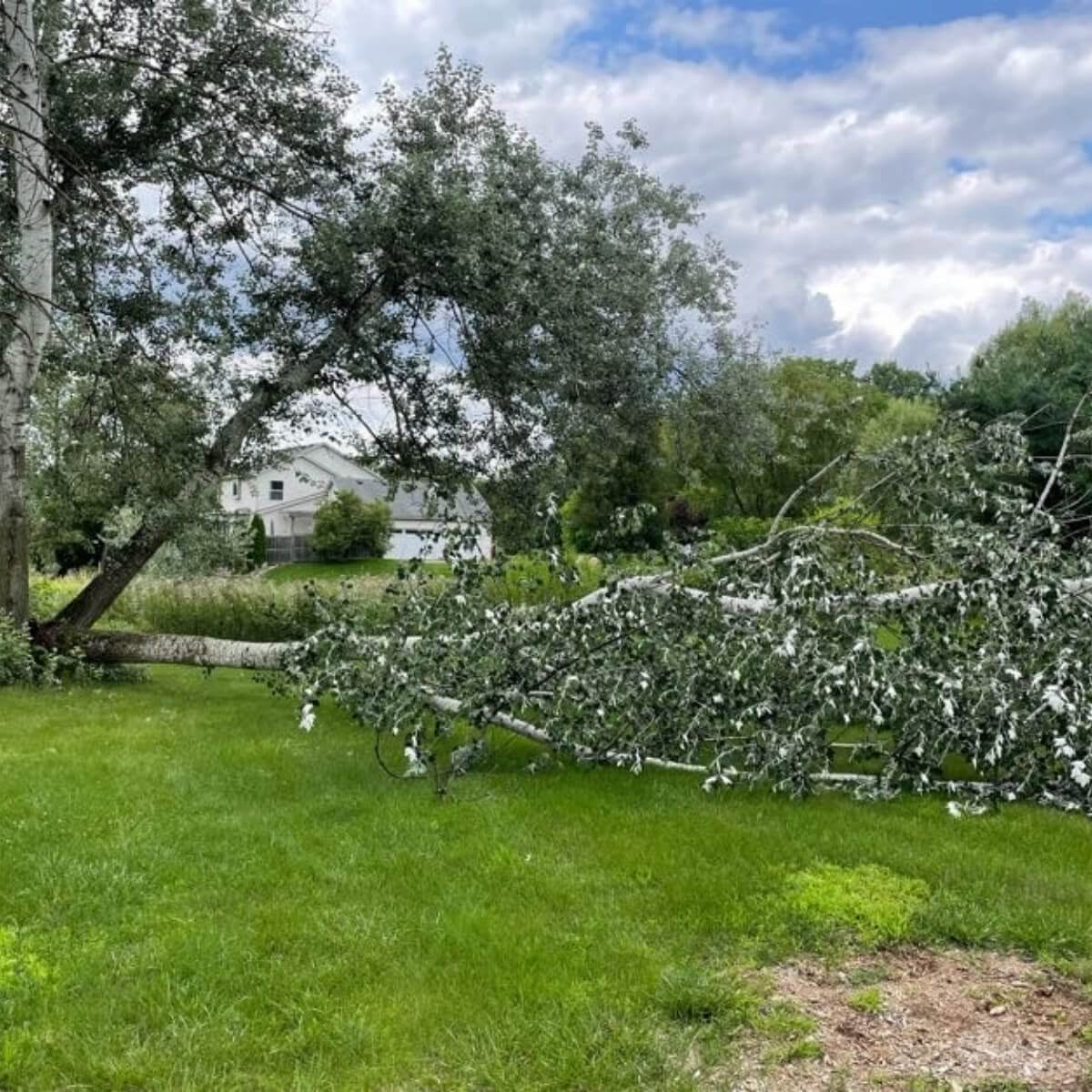
In general, if a tree on your property falls onto your neighbor’s land, you may be liable for the damages caused. However, this isn’t always a straightforward situation. Various factors contribute to liability, including how the tree fell and whether negligence played a role.
1. Negligence and Homeowner Responsibility
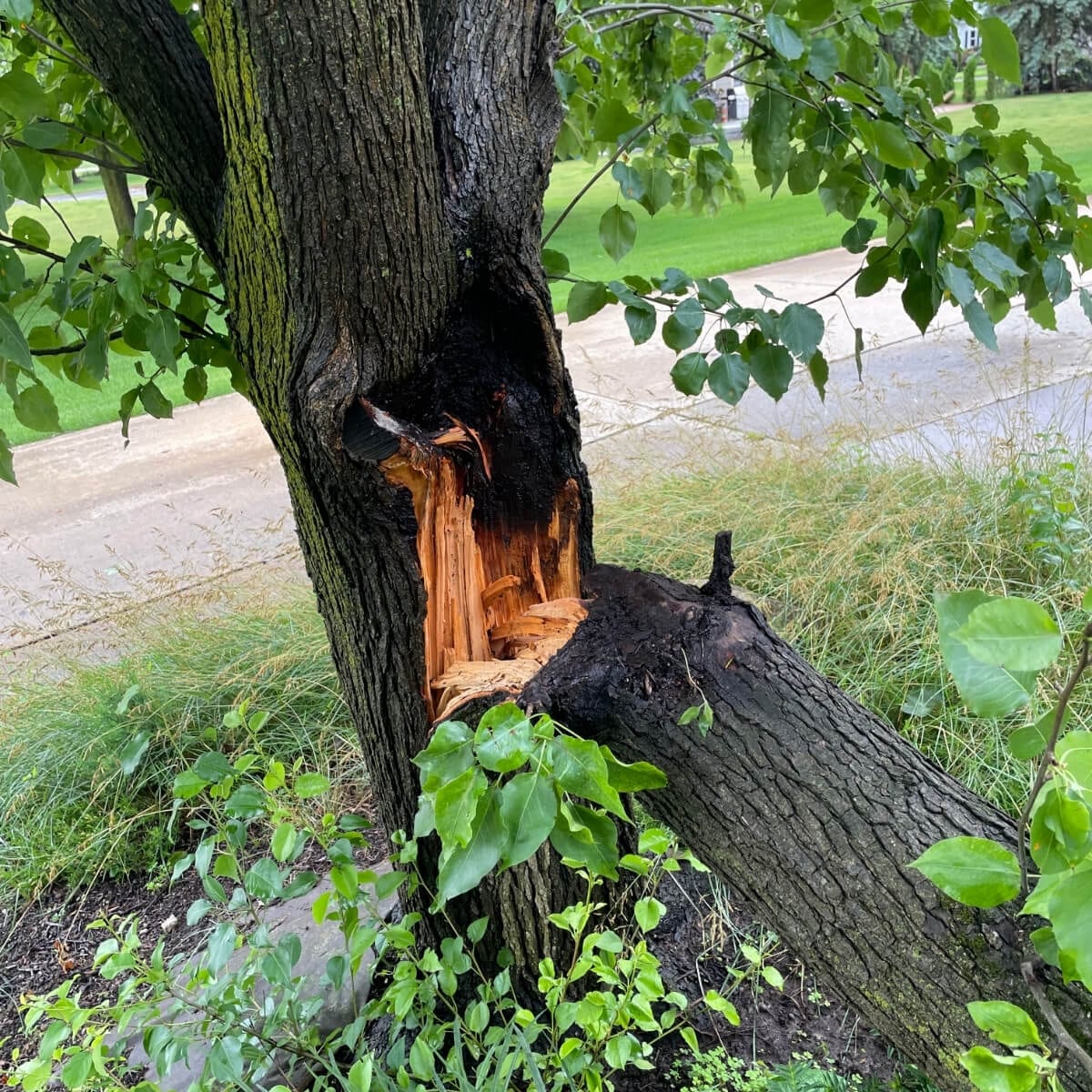
Homeowners are not usually liable for a tree falling due to a natural event, such as a storm or heavy winds. However, if the tree fell because of neglect, such as failing to address disease, decay, or structural damage, the homeowner might be held responsible. If a neighbor can prove that you ignored obvious signs of a dying or hazardous tree, you could be held liable for damages.
2. Storm Damage vs. Negligence
If the tree fell due to a storm or an act of nature, you typically wouldn’t be held responsible for the damages unless there was clear evidence that the tree was weak or compromised before the storm. On the other hand, if you neglected to remove a rotting or dangerous tree, and it falls after a storm, you may be seen as responsible.
It’s essential to regularly inspect your trees for health and stability, especially before storm season. Hiring a professional tree service, like Highland Tree Services, can help in identifying potential hazards that may not be immediately visible to the untrained eye.
3. Who Pays for the Cleanup?
Generally, the homeowner whose tree falls onto the neighbor’s property will be responsible for the cleanup costs. If the damage is extensive (like damaging a neighbor’s home or car), the homeowner may also be responsible for repairs. However, if your neighbor’s tree falls on your property, they may be responsible for cleanup, unless negligence is involved.
Homeowner’s Insurance and Liability
Homeowner’s insurance plays a crucial role in protecting you from financial loss if a tree falls and damages a neighbor’s property. Most homeowner’s insurance policies cover damage caused by fallen trees, but coverage depends on the circumstances.
1. When Will Your Insurance Cover Fallen Tree Damage?
If your tree falls due to a storm, your homeowner’s insurance policy should cover the damage to your neighbor’s property. However, there may be specific conditions, such as the tree’s health or proximity to structures, that could influence the claim. It’s vital to contact your insurance provider immediately after the incident to get advice on filing a claim.
2. What About Damage Caused by Negligence?
If the tree fell due to neglect on your part, for instance, if you ignored warning signs like disease or a leaning tree, your insurance company may refuse to cover the damages. This is why it’s crucial to stay on top of tree maintenance, especially if your tree is near the property line or poses a risk to neighbors.
3. Fallen Tree Cleanup Costs
If a tree on your property falls and damages a neighbor’s property, your homeowner’s insurance should typically cover cleanup and repairs. However, if the damage is a result of neglect, your insurance company might not pay for the cleanup, leaving you responsible for the costs.
Preventing Fallen Tree Liability
One of the best ways to avoid liability is by taking steps to prevent your trees from becoming a hazard. Regular maintenance and inspections are essential in preventing trees from falling and causing damage to your neighbor’s property. Below are several preventive measures to consider:
1. Regular Tree Inspections
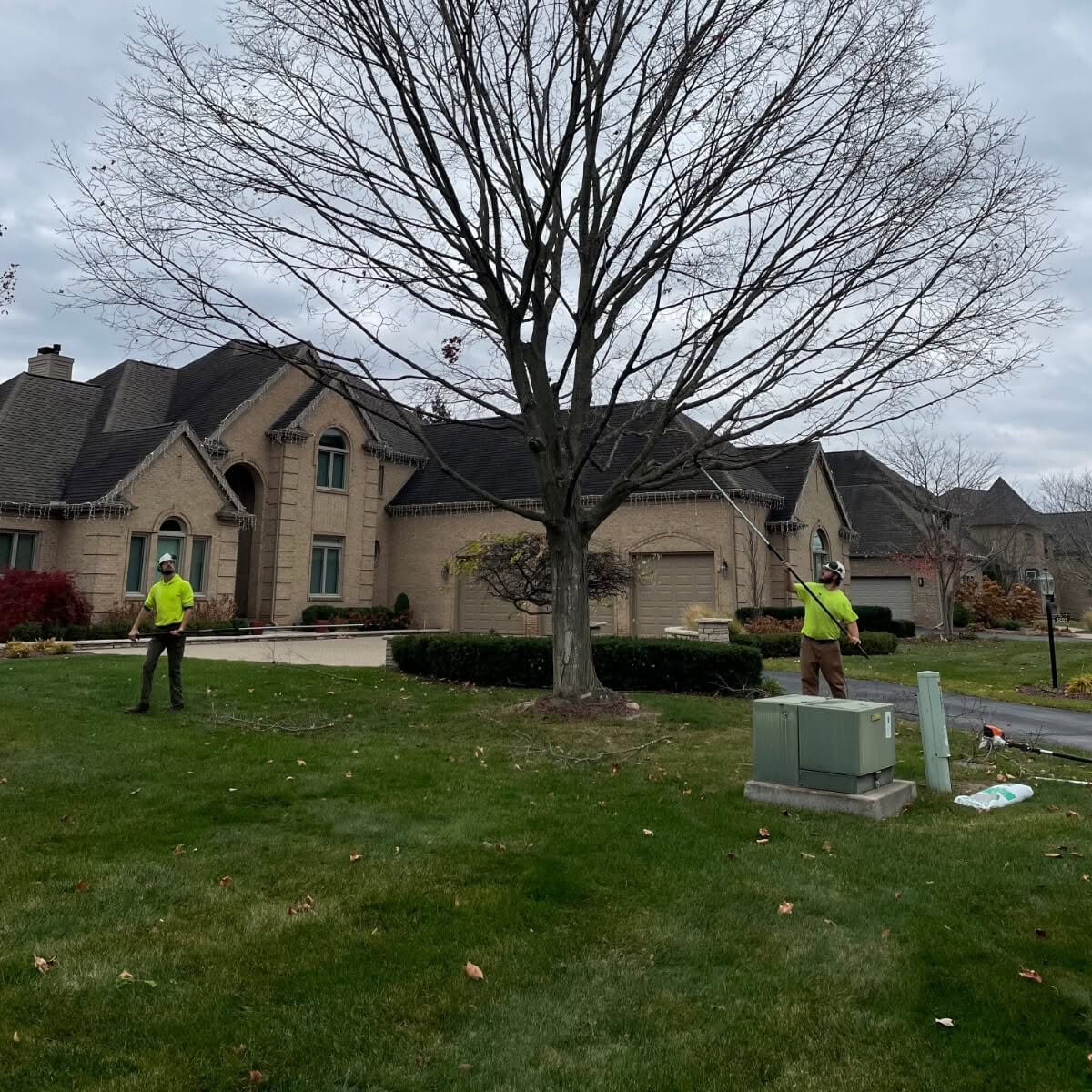
Have a certified arborist inspect your trees regularly to ensure that they are healthy and structurally sound. If you live in a storm-prone area like Ann Arbor, this step is essential to ensure that your trees are in good condition and won’t fall during heavy winds or storms. A professional tree care firm offers expert tree inspections that can identify weaknesses or signs of disease early, reducing the risk of tree failure.
2. Proper Pruning and Trimming
Trees should be regularly pruned to remove dead, damaged, or overgrown branches. By doing so, you not only improve the health and appearance of your tree, but you also reduce the risk of branches breaking and falling during storms.
3. Removing Dying or Dangerous Trees
If you have a tree that is diseased, decaying, or leaning, consider removing it before it becomes a hazard. While removing trees may seem like a big expense, it is often far less costly than dealing with the aftermath of a fallen tree. Professional tree removal services can help with this task, ensuring that it is done safely.
4. Stump Grinding
Stumps can also become hazards, particularly when they begin to rot. Not only do they pose a tripping hazard, but they can also attract pests. Hiring a professional service to remove stumps and grind them down can help mitigate potential risks.
Steps to Take If a Tree Falls
If a tree on your property falls and causes damage to your neighbor’s property, it’s essential to act quickly and responsibly.
1. Notify Your Neighbor
As soon as possible, inform your neighbor about the fallen tree. Be proactive in communicating and show that you are taking responsibility for the situation.
2. Assess the Damage
Together with your neighbor, assess the damage. If there is significant damage to their property, be prepared to discuss how to handle repairs. Keep in mind that this can be a stressful and emotional time for both parties.
3. Contact Your Insurance Company
Notify your insurance provider immediately about the fallen tree and damage. They will guide you through the claims process, helping to determine whether you are covered under your policy. Keep all records of communications, assessments, and repairs for future reference.
4. Hire a Professional Tree Service
Once the damage is assessed, hire a tree removal service to safely remove the fallen tree. Professional tree services can clear the debris and mitigate further risk, ensuring that your property and your neighbor’s are both safe.
If you’re concerned about the risk of a tree falling on your neighbor’s property, or if you’ve already experienced damage, Highland Tree Services is here to help. As a locally-owned tree service in Ann Arbor, MI, we specialize in tree removal, tree pruning/trimming, shrub removal/trimming, stump removal/grinding, land clearing, tree/bush planting, 24/7 emergency tree service, storm damage cleanup, and fallen tree cleanup.
Our certified arborists can assess your trees for any potential hazards and provide professional maintenance to ensure that your property remains safe. If you need urgent tree removal or preventative care, Highland Tree Services offers 24/7 emergency service. Call them today at (734) 999-3880 to get a free quote and ensure that your trees are healthy and safe.
Frequently Asked Questions by Homeowners in Ann Arbor, MI
1. Who is responsible if a tree from my property falls on my neighbor’s property in Ann Arbor, MI?
Generally, the property owner whose tree falls is not automatically liable, unless negligence can be proven. If your tree was unhealthy, had visible signs of damage, or was improperly maintained, you could be held liable for damages. However, if the tree fell due to natural causes or a storm, the situation may not be as clear-cut.
2. Does homeowners’ insurance cover tree damage to a neighbor’s property?
Homeowners’ insurance policies often cover tree damage caused by accidents or natural events, including those that affect a neighbor’s property. However, coverage varies, so it’s important to check with your insurer to confirm the specifics of your policy.
3. What if the tree falls during a storm? Am I still liable?
If the tree falls due to a storm or other natural event, you are typically not held liable unless the tree was already in a hazardous condition. If the tree was known to be unstable and you failed to maintain it, liability may still fall on you. Regular inspections help reduce risk in these situations.
4. How can I tell if a tree on my property is a hazard?
Look for signs such as large cracks in the trunk, dead limbs, mushrooms or fungi growing around the base, or leaning. Also, check for root exposure or decay. If a tree shows any of these signs, it’s best to have a certified arborist assess its stability.
5. Can I remove a dangerous tree without my neighbor’s permission if it could fall onto their property?
Yes, as the property owner, you have the right to remove a tree from your property. However, it’s courteous to inform your neighbor about the potential risk, especially if the tree could damage their property. Always ensure the removal process is done safely and professionally.
6. What should I do if a tree from my neighbor’s property falls onto mine?
If a tree from your neighbor’s property falls onto yours, the liability generally falls on the neighbor if their tree was unhealthy and posed a risk. However, in most cases, homeowners’ insurance will cover the damage. It’s important to discuss the issue with your neighbor and resolve it amicably.
7. Does tree trimming help prevent falling trees?
Yes, regular tree trimming can help reduce the risk of a tree falling by removing dead or weakened branches. Proper care also helps trees remain structurally sound and reduces the likelihood of a tree becoming hazardous.
8. If I hire an arborist to inspect my trees, does that affect liability?
Hiring a professional arborist to inspect and maintain your trees shows that you are taking responsible action to prevent hazards. If a tree does fall and it was regularly inspected, it can help demonstrate that you took reasonable steps to ensure its health. However, regular maintenance alone does not guarantee immunity from liability.
9. Can I prevent a neighbor from suing me if my tree falls on their property?
While you can’t completely prevent legal action, taking steps to maintain your trees, have them regularly inspected, and ensure that any signs of weakness are addressed can reduce your chances of liability. Communicating openly with your neighbor about any concerns also helps mitigate the risk of lawsuits.
Summary Checklist
| Condition | Risk Level | Recommended Action |
| Tree Health Issues (Disease, rot, leaning) | High | Regularly inspect for signs of rot or instability; consider removal if safety is compromised |
| Tree Near Property Line | High | Maintain clear communication with neighbors; prune regularly to prevent overhang accidents |
| High Winds & Storm Conditions | Moderate to High | Prepare by pruning weak branches and securing or removing damaged limbs proactively |
| Weak or Damaged Root Systems | High | Have an arborist assess stability, especially in St. Louis clay, which can shift in wet conditions |
| Dead or Dying Trees | Very High | Remove immediately to prevent unpredictable falls onto neighboring structures or power lines |
| Previous Storm Damage | Moderate | Inspect for hidden cracks or structural stress from past weather events; repair as needed |
| Insurance Coverage | Low to Moderate | Review your homeowner’s policy annually to verify coverage for tree-related property damage |
| Neighbor’s Property Proximity | High | If trees lean toward a neighbor’s home, prioritize reinforcement or removal to avoid liability |
Final Advice
When a tree from your property falls onto your neighbor’s land in Ann Arbor, MI, it’s important to understand who is liable for the damage. Generally, liability falls to the property owner if negligence can be proven.
- If your tree was unhealthy, had obvious structural issues, or was poorly maintained, you may be considered responsible. However, if the tree fell due to an unexpected storm or natural causes, you may not be held liable unless it was known to be hazardous beforehand.
- Regular tree inspections, especially after harsh weather, are essential for preventing these situations.
- Make sure to address any signs of decay or damage to avoid accidents. It’s also helpful to review your homeowner’s insurance policy to ensure it covers tree damage to neighbors’ property.
- Open communication with your neighbor is crucial; if you suspect a tree could be a risk, let them know ahead of time. Taking proactive measures like proper tree maintenance can prevent damage, avoid legal complications, and keep your relationships with neighbors intact.
- Always act quickly if you suspect a tree is unstable to avoid greater financial and legal issues.
Reviewed by a Certified Arborist
This article has been reviewed by a certified arborist to ensure all information regarding tree care and storm safety is accurate and up to industry standards.