May 15, 2026
Storms are a part of the natural landscape. Whether it’s a heavy windstorm, snowstorm, or thunderstorm, trees often take the brunt of the weather’s force. After a storm, it’s crucial to inspect your trees for damage. Not only can a damaged tree be dangerous, but it can also lead to costly repairs if left unchecked. This article will guide you through the process of checking for tree damage safely after a storm, provide expert tips on what to look for, and discuss when it’s time to call a professional tree service to handle the situation.
Why Checking for Tree Damage is Important
Trees are an essential part of any landscape, providing shade, beauty, and environmental benefits. However, after a storm, even the healthiest trees can sustain damage. A damaged tree can be dangerous to both your property and your neighbors.
Here are the top reasons why it’s crucial to inspect your trees post-storm:
- Safety Hazards: Fallen branches, leaning trees, or unstable roots can pose significant risks. Checking your trees promptly can prevent accidents.
- Property Protection: Tree damage can result in damage to your home, car, or neighboring properties. Identifying issues early can help you mitigate potential damage.
- Tree Health: Some damage is not immediately visible. Checking for internal injuries or decay helps you decide whether the tree can be saved or needs removal.
- Insurance Claims: Promptly assessing the damage allows you to document the situation for insurance purposes, ensuring you get the necessary coverage for tree removal or repairs.
How to Safely Check for Tree Damage After a Storm
Before you head out to assess the damage, it’s important to take a few safety precautions. Storms can leave behind hazardous conditions, such as fallen power lines, slippery grounds, or other debris. Here’s how to ensure your inspection is as safe as possible:
1. Wait for the All-Clear
Before inspecting your trees, ensure that the storm has fully passed and any immediate hazards have been cleared. Don’t rush to check trees during or right after a storm, as winds can still be dangerous. Make sure emergency services have assessed potential dangers like power lines or flooding in your area.
2. Wear Protective Gear
When you do go out, wear sturdy shoes, gloves, and long pants. If you need to climb to inspect branches, consider using a helmet to protect yourself from falling debris. Keep a safe distance from fallen power lines and always assume they are live.
3. Survey the Area First
Before inspecting individual trees, conduct a walk-around of your yard. Take note of any trees that have fallen or may have already caused damage to structures or cars. Look for any broken limbs, leaning trunks, or other visible signs of damage from a distance.
What to Look for When Inspecting Tree Damage
Once you’ve ensured it’s safe to inspect the trees, you’ll want to know what signs of damage to look for. Here are the key things to check for when assessing tree damage after a storm:
1. Broken or Fallen Branches
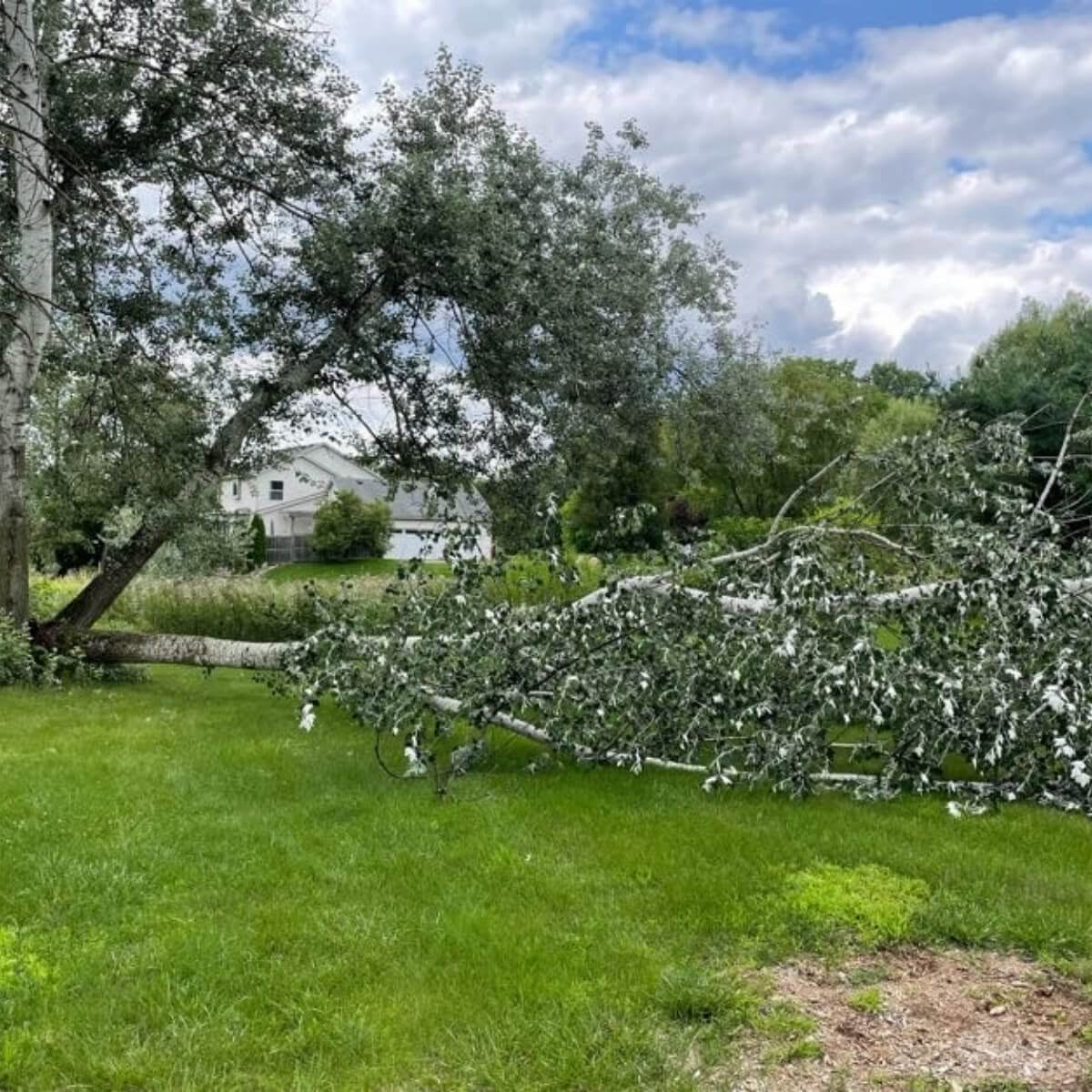
One of the most common types of storm damage is broken or fallen branches. After high winds or heavy snow, branches can snap off and fall to the ground, causing hazards or blocking pathways. Walk around your property to check for large, broken limbs or branches that may need to be removed.
2. Cracked or Split Trunks
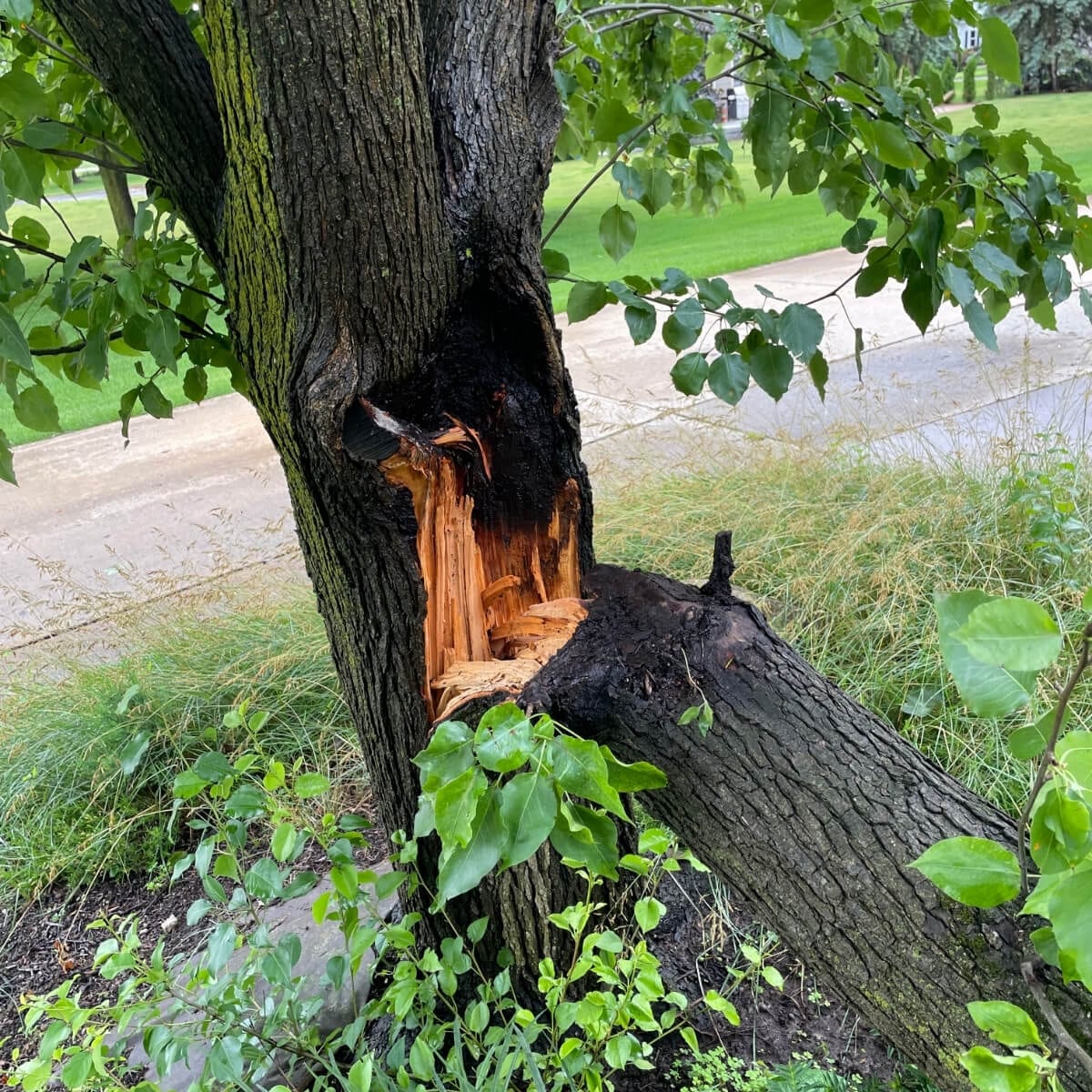
Trees with cracked or split trunks may have sustained internal damage. While the exterior of the tree may look fine, the internal structure could be compromised. Look for any large cracks, deep splits, or gaps in the trunk that could lead to the tree failing in the future. If you notice these signs, the tree might need to be removed.
3. Leaning Trees
After a storm, trees that were previously upright may begin to lean. A leaning tree can indicate root damage or an unstable base. Inspect the root system around the tree’s base to check for signs of erosion or exposed roots. If the tree is leaning significantly, it might be a good idea to call a professional arborist to evaluate its stability.
4. Broken or Damaged Root Systems
The roots are essential to a tree’s stability. After heavy rain, strong winds, or flooding, root systems can be compromised. If the tree’s roots are exposed or if the tree appears to be leaning or shifting, the root system may have been damaged. Pay close attention to areas where roots are visible or the ground has shifted around the tree’s base.
5. Damaged or Detached Bark
The bark serves as a protective layer for the tree, and if it is damaged during a storm, it can expose the tree to infection or disease. Look for areas where the bark has been stripped or torn away. If a large portion of the bark has been damaged, it can create entry points for pests or pathogens.
6. Hanging Limbs
If large limbs are hanging precariously but have not yet fallen, these branches can still pose a hazard. Hanging limbs can fall unexpectedly and cause significant damage or injury. You should remove these limbs as soon as possible to avoid accidents.
7. Signs of Disease or Decay
Storm damage can sometimes expose previously hidden issues like disease or decay. Look for any fungus, mushrooms, or mold growing around the base of the tree or on the branches. These can indicate a weakened or rotting tree that may not be able to recover from storm damage.
When to Call a Professional Arborist
After your inspection, you may find that the damage is more extensive than expected. Some tree damage is difficult to assess without professional knowledge, and some situations call for immediate intervention. Here’s when you should consider calling a tree service:
1. Severe Damage
If you find significant damage such as large trunk splits, a heavily leaning tree, or a tree that has fallen, it’s best to consult a professional. These trees may need to be removed, and a certified arborist can assess the situation to determine the safest course of action.
2. Dangerous Conditions
If the tree has fallen on power lines or is too close to structures, it’s essential to call a professional immediately. A tree service has the proper equipment and expertise to remove trees safely from hazardous locations.
3. Tree Health Concerns
If you notice signs of disease or rot, you’ll want to address them quickly. An arborist can help determine whether the tree can be saved or if removal is the best option. If the tree is too compromised, professional removal is safer than attempting to address the issue on your own.
4. Cleanup and Removal
If you’re unsure how to safely remove fallen branches or a damaged tree, professional tree services can provide cleanup and removal. Trying to clear debris without the proper equipment can be dangerous, especially if heavy limbs or large trees are involved. After a storm, it’s essential to act quickly if you find significant damage to your trees.
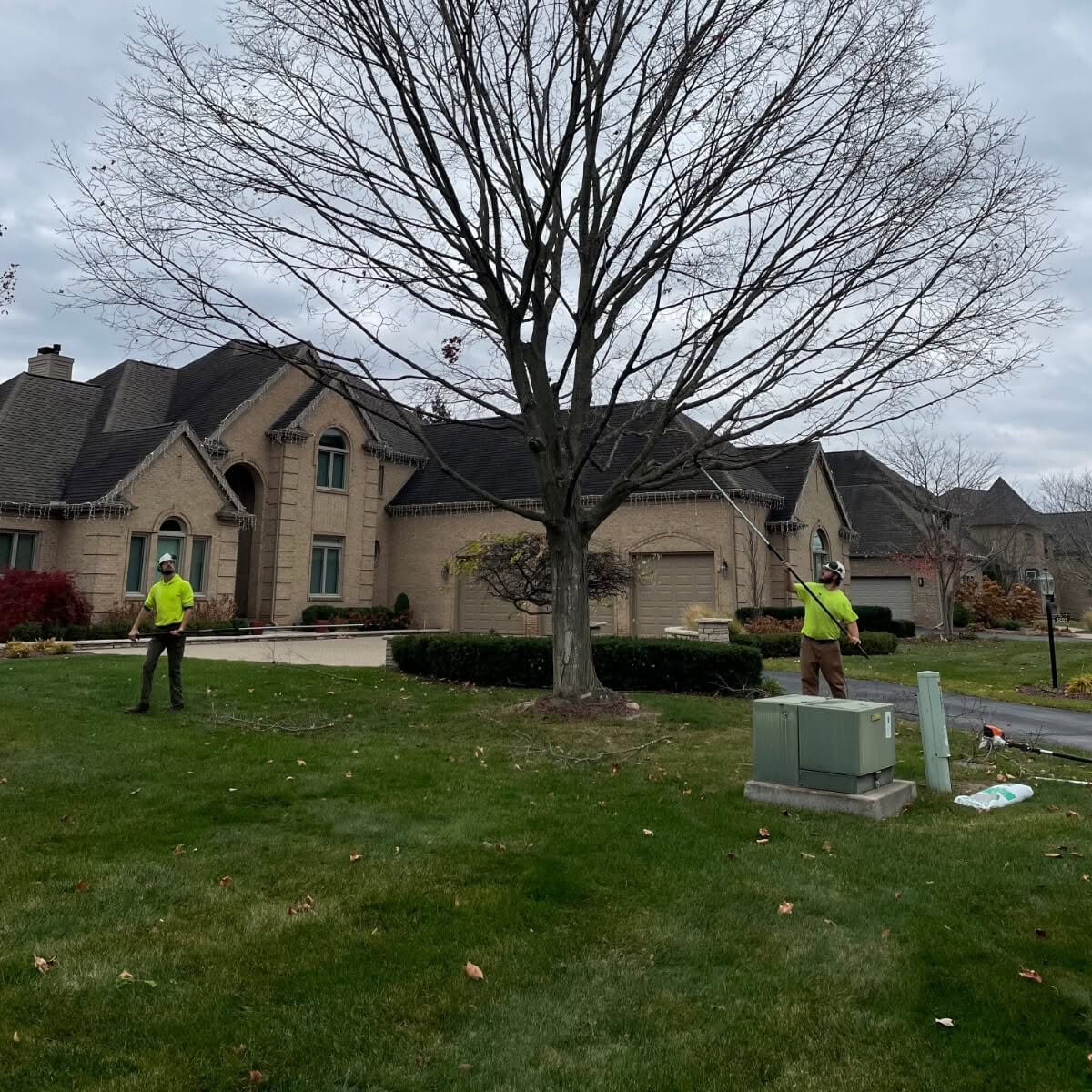
Highland Tree Services offers tree removal, tree pruning/trimming, shrub removal/trimming, stump removal/grinding, land clearing, tree/bush planting, 24/7 emergency tree service, storm damage cleanup, and fallen tree cleanup. With their team of certified arborists, they can assess tree damage and provide immediate, safe solutions to protect your property.
Whether you need a tree inspected, damaged limbs removed, or a complete tree removal, Highland Tree Services has the expertise and equipment to handle the job efficiently. Their experienced professionals take great care in ensuring your trees are safe and healthy, preventing further damage to your home or yard.
If you’re worried about storm damage or need immediate assistance, call Highland Tree Service today at (734) 999-3880 to get a free quote and ensure that your trees are healthy and safe.
Frequently Asked Questions (FAQs)
1. How do I know if my tree is too damaged to be saved?
If you notice cracks in the trunk, exposed roots, or significant leaning, the tree may be too damaged. A certified arborist can assess the extent of the damage and determine if the tree is salvageable.
2. Can a leaning tree be saved?
In some cases, leaning trees can be saved with cabling or bracing, but this depends on the extent of the root damage. A professional arborist can evaluate your tree’s condition.
3. Should I remove fallen branches myself?
If branches are small and manageable, you can clear them. However, for larger branches or those in dangerous positions, it’s best to call a professional.
4. What should I do if a tree is blocking my driveway after a storm?
If the tree is blocking your driveway or access to your home, call a tree service for emergency removal. Many tree services offer 24/7 emergency services for such situations.
5. Does homeowners’ insurance cover tree damage caused by storms?
Most homeowner’s insurance policies cover damage from fallen trees, but you’ll need to review your policy for specifics. If the tree damage is extensive, it’s important to file a claim with your insurance company.
6. How can I prevent future tree damage?Regular tree inspections, proper pruning, and addressing any signs of disease or decay can help prevent future storm damage. Hiring a certified arborist for regular maintenance can keep your trees healthy and stable.
7. What’s the best way to prepare trees for a storm?
Prune dead or weakened branches, secure large trees with cabling or bracing, and remove any dangerous or leaning trees before storm season to reduce the risk of storm damage.
8. How do I assess whether a tree is unstable after a storm?
Look for signs such as cracks in the trunk, exposed roots, leaning, or large branches that have broken off. If you’re unsure, contact a professional arborist to evaluate the tree’s stability.
Summary Checklist: How to Safely Check for Tree Damage After a Storm
| Condition | Risk Level | Recommended Action |
| Broken or Fallen Branches | High | Remove small debris safely; call an arborist for large or high-up branches |
| Leaning Trees | High | Contact an arborist to assess root plate stability and decide on removal |
| Cracked Trunk or Split Tree | Very High | Call a professional immediately; the structural integrity is critically compromised |
| Exposed Roots | High | Consult with an ISA Certified Arborist to assess root stability and soil erosion |
| Dead or Dying Trees | Very High | Remove immediately; storm-damaged deadwood is prone to unpredictable failure |
| Fallen Tree on Power Lines | Critical | Stay away. Contact the local utility company first, then a tree service |
| Hanging Limbs | High | Do not stand under them; professional rigging is required for safe removal |
| Signs of Disease or Decay | Moderate | Monitor regularly; decay often worsens after the stress of a major storm |
Final Advice
When inspecting trees after a storm, the priority should always be safety. Be cautious of any fallen power lines or hazardous conditions that could make the inspection dangerous. Start by surveying the area to identify any major hazards like leaning trees, fallen branches, or any visible damage to the tree’s trunk or roots.
For trees with severe damage, such as splits in the trunk, exposed roots, or heavy leaning, it’s essential to contact a certified arborist. These situations often require professional intervention for safe removal or treatment. If you notice any signs of disease or decay, or if branches are hanging precariously, it’s best to seek professional help as well.
Regular inspections and proactive care of your trees can significantly reduce the risk of storm damage in the future. Stay on top of tree maintenance, especially before storm season, by pruning weak branches and removing any trees that show signs of rot or disease. This can prevent costly damage and help avoid liability issues if your tree affects your neighbor’s property.
Lastly, always ensure your homeowner’s insurance is up to date and covers tree-related damages. Being prepared and taking preventative measures will help protect both your property and the safety of those around you.
Reviewed by a Certified Arborist
This article has been reviewed by a certified arborist to ensure all information regarding tree care and storm safety is accurate and up to industry standards.